
Freedom Fighters
Begum Hazrat Mahal
c. 1820 – 1879
The Begum of Awadh who led the uprising in Lucknow and refused to accept British terms.
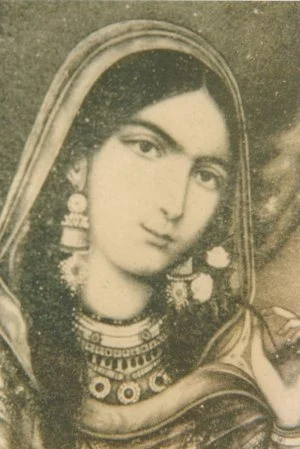
After the East India Company annexed Awadh and exiled Nawab Wajid Ali Shah, Begum Hazrat Mahal became a leader of the 1857 uprising in Lucknow, proclaiming her young son Birjis Qadr as ruler. After Lucknow fell she rejected British offers of a pension and lived the rest of her life in exile in Nepal.
Early life and background
Born in Faizabad, she became one of the wives of Wajid Ali Shah, the last Nawab of Awadh.
Historical context
The Company annexed Awadh in 1856 and exiled Wajid Ali Shah to Calcutta. The annexation caused deep resentment in a region that supplied many sepoys to the Bengal Army.
Key achievements
When the uprising reached Lucknow in 1857, Hazrat Mahal took charge of affairs on behalf of her son Birjis Qadr and organised resistance, including the siege of the British Residency. She continued to resist after the British recaptured Lucknow in March 1858.
Important events and milestones
- 1856 Awadh annexed; Wajid Ali Shah exiled.
- 1857 Proclaims her son ruler and leads the uprising in Lucknow.
- March 1858 Lucknow recaptured by the British.
- 1859 Withdraws to Nepal.
- 7 April 1879 Dies in Kathmandu.
Awards and honours
India Post issued a commemorative stamp in 1984. Begum Hazrat Mahal Park in Lucknow is named in her honour.
Later life
Refusing British offers, she withdrew to Nepal, where she lived until her death in Kathmandu in 1879.
Enduring legacy
She is remembered as one of the principal leaders of 1857 and as a woman who held political and military authority at a decisive moment.
References
Portrait: Painted portrait · http://en.wikipedia.org/wiki/User:Faizhaider · Public domain · Source (opens in a new tab)
This account is compiled from the sources listed and is offered as a tribute, not as an official record. Corrections are welcome at connect@vedacloud.ai.