
Revolutionaries · Unsung Heroes
Masterda Surya Sen
1894 – 1934
‘Masterda’, the schoolteacher who led the Chittagong armoury raid of 1930.
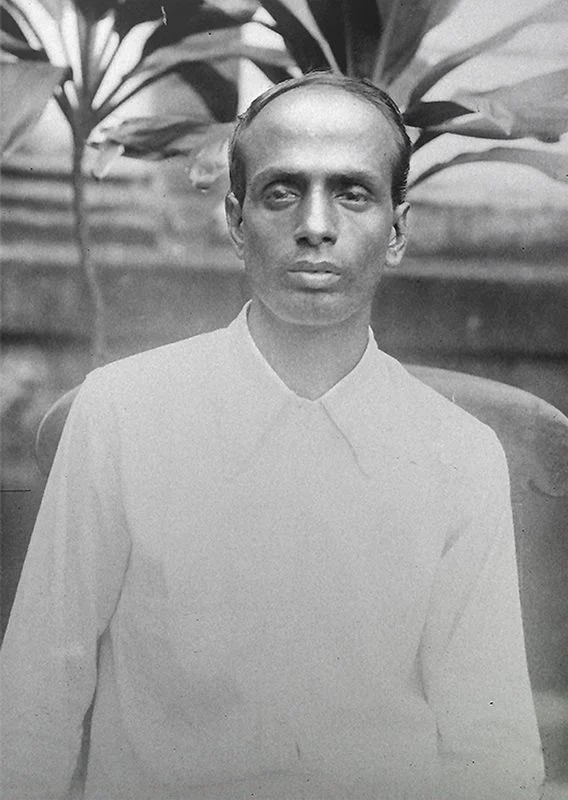
Surya Sen, a schoolteacher known as ‘Masterda’, led the Indian Republican Army in Chittagong. On 18 April 1930 his group seized the police and auxiliary forces armouries and cut communications. He evaded capture for nearly three years and was executed in Chittagong jail in January 1934.
Early life and background
Born in Noapara, Chittagong, Surya Sen studied at Berhampore College, where he was drawn into revolutionary nationalism. He returned to Chittagong as a teacher, which earned him the name ‘Masterda’.
Historical context
In the 1920s Surya Sen built a disciplined revolutionary organisation in Chittagong, which he named the Indian Republican Army, Chittagong Branch.
Key achievements
On 18 April 1930 his group raided the police and auxiliary forces armouries in Chittagong and disrupted communications. On 22 April they fought British forces at Jalalabad Hill, where several young revolutionaries were killed. Surya Sen continued to lead the movement underground.
Important events and milestones
- 18 April 1930 Chittagong armoury raid.
- 22 April 1930 Battle of Jalalabad Hill.
- 1930–1933 Leads the movement underground.
- February 1933 Arrested.
- 12 January 1934 Executed in Chittagong jail.
Awards and honours
Memorials honour him in Chittagong and in India, and institutions in West Bengal bear his name.
His sacrifice
Surya Sen was captured in February 1933, tried and hanged in Chittagong jail on 12 January 1934.
Enduring legacy
The Chittagong uprising showed what a disciplined group of young people could attempt against a powerful state, and Masterda is honoured in both India and Bangladesh.
References
Portrait: Photograph, before 1934 · Unknown · Public domain · Source (opens in a new tab)
This account is compiled from the sources listed and is offered as a tribute, not as an official record. Corrections are welcome at connect@vedacloud.ai.